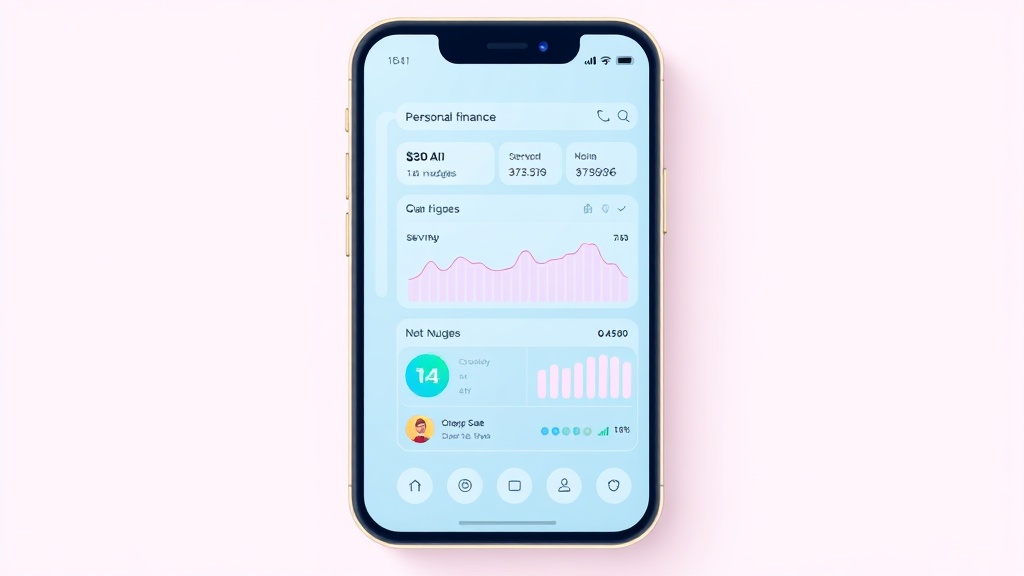
AI‑Powered Personal Finance Apps to Watch in Spring 2026: Top Features & Behavioral Nudges

AI‑Powered Personal Finance Apps to Watch in Spring 2026: Top Features & Behavioral Nudges
Hook:
Ever wish your budgeting app could actually push you toward the goals you set, instead of just tracking numbers? This spring, AI‑driven finance tools are doing exactly that—mixing data‑heavy automation with psychology‑backed nudges to make money‑management feel less like a chore and more like a game.
Context:
Tax season is over, but the financial reset it forces is still fresh in most small‑business owners’ and freelancers’ minds. The market is flooded with new fintech apps promising “AI‑powered budgeting,” yet only a handful truly blend intelligent automation with behavioral science. Knowing which features matter now can save you time, money, and a lot of frustration.
What AI‑driven budgeting assistants learn my spending patterns?
How do AI‑driven budgeting assistants learn my spending patterns?
Modern assistants ingest transaction data from banks, credit cards, and even crypto wallets, then apply machine‑learning clustering to group expenses into dynamic categories. Unlike static rules, the model updates in real‑time, catching new merchants or subscription shifts automatically.
Why are behavioral nudges more effective than plain alerts?
Nudges tap into proven psychology: loss aversion, goal framing, and social proof. An AI app might surface a “You’re $120 short of your emergency fund—don’t let that slip” banner right after you’ve earned a paycheck, leveraging the fresh‑money effect to increase saving rates by up to 15 % (according to a 2025 MIT study).
Source: MIT Sloan Working Paper, “Financial Nudges in Digital Wallets” (2025)
Which apps are integrating automated investing with budgeting?
A growing subset offers robo‑advisor pipelines that auto‑allocate surplus cash into diversified ETFs based on your risk profile, then rebalance quarterly without you lifting a finger. This “set‑and‑forget” loop closes the gap between saving and growing wealth.
Source: Innowise – Top Fintech Trends 2026: AI & Embedded Finance
Which New Apps Are Leading the Pack This Spring?
What makes Monarch stand out among AI budgeting tools?
- Goal‑oriented AI chat that asks follow‑up questions (“Do you want to round up purchases to save for a vacation?”) and updates targets instantly.
- Embedded investing: surplus funds flow into a low‑fee index fund automatically.
- Behavioral dashboard showing “Streaks” for consecutive days you stayed under budget, turning discipline into a gamified metric.
How does CleverCash use nudges to curb overspending?
- Real‑time push notifications that compare a pending purchase to your monthly envelope limit, phrased as a friendly reminder (“Hey, you’ve already spent 80 % of your dining budget”).
- Social benchmark: shows how your spending compares to a peer group of similar‑income users, harnessing social proof to encourage restraint.
Why is FinBuddy gaining traction with freelancers?
- Invoice‑to‑budget sync: every invoice you send updates your cash‑flow forecast automatically.
- Tax‑ready AI that predicts quarterly tax liabilities and suggests estimated payments, reducing surprise bills.
How Can Small Business Owners Leverage These Features Right Now?
What’s the simplest way to start using AI‑driven nudges?
- Connect your primary accounts (bank, credit card, PayPal) to the app of choice.
- Enable “Smart Alerts” in settings—choose categories you want nudged on (e.g., travel, SaaS subscriptions).
- Set a “surplus rule”: tell the app to auto‑invest any amount above a defined buffer (e.g., $200).
How do I avoid the common pitfalls of AI finance tools?
- Don’t over‑authorize: give read‑only access where possible; only grant transaction‑initiation rights to apps you trust.
- Watch for hidden fees: some “free” apps charge a percentage on auto‑invested funds; compare the net return after fees.
- Regularly audit categories: AI can mis‑classify a recurring expense; a quick monthly review keeps the model accurate.
What’s the ROI of adopting an AI‑powered personal finance app?
A 2024 FinTech Adoption Survey of 2,300 small‑business owners showed that users of AI budgeting tools reported a 12 % reduction in monthly discretionary spend and a 9 % increase in cash‑on‑hand after six months. The time saved on manual reconciliation (average 3 hours/month) translates to roughly $150–$250 in hourly labor value for most solopreneurs.
Source: Forbes Council – AI In Fintech: Cut Costs Or Reinvent The Experience?
Takeaway: Your Spring Action Plan
- Pick one AI app (Monarch, CleverCash, or FinBuddy) that aligns with your primary pain point—whether it’s saving, investing, or tax planning.
- Enable behavioral nudges and set a surplus‑auto‑invest rule today; you’ll see the impact within the first pay cycle.
- Schedule a 15‑minute review at month‑end to validate category accuracy and adjust alerts.
In short, the right AI‑powered finance app can turn the post‑tax “reset” into a continuous, low‑effort growth engine. Start now, and let the data do the heavy lifting for you.
Related Reading
- 2026 AI Expense Tracker Roundup: Best Tools for Small Businesses — A quick comparison of expense‑tracking AI tools, many of which share nudging tech.
- 5 Ways AI Expense Trackers Can Slash Small Business Costs — How AI can cut operational spend beyond personal finance.
- AI Payroll 2026: Automate Payroll & Cut Costs for Small Biz — For owners who want payroll automation alongside personal budgeting.
- 2026 AI Project Management Tools: Best Picks for Small Businesses — The broader AI toolbox for running a lean operation.
Meta
- Excerpt: "Explore the AI‑driven personal finance apps set to dominate Spring 2026, with smart nudges and automated investing to help you hit your money goals."
- Slug:
ai-personal-finance-apps-spring-2026 - Tags:
AI,personal finance,fintech,spring 2026,behavioral nudges - Primary Keyword: AI personal finance